Description
Monash University Publishing, November 2026. 304 pages, paperback.

Witty, David
$33.00
In 2024, an earless dragon was spotted – the first in over 50 years. Soon, scientists and sniffer dogs patrolled the grasslands, as development ground to a halt. A tiny lizard had effectively exacerbated the housing crisis, forcing an uncomfortable question: what matters more – our right to shelter or theirs to exist?
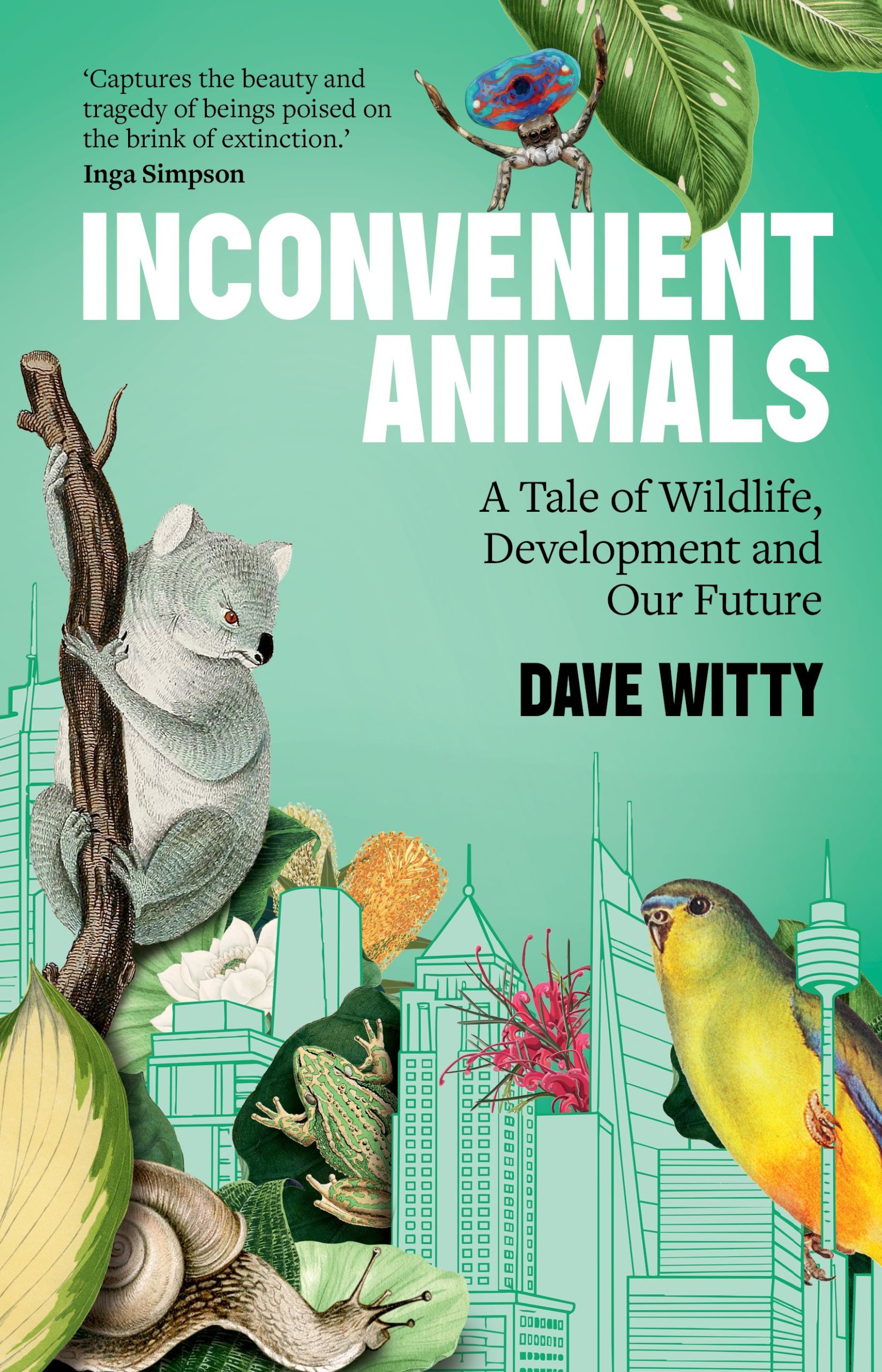
Across Australia, native species get caught in the tug between conservation and urban development. Some, like koalas, orange-bellied parrots, pygmy bluetongues, flying foxes, plains-wanderer birds or brilliant peacock spiders, are so crucial to the ecosystems they inhabit that their demise can herald collapse. How did we come to see nature as a resource to exploit rather than an integral part of our future?
The dragon’s disappearance mirrors the vanishing of our most endangered habitat. Both are part of a deeper story: one that connects early colonists’ visions of agriculture to the sprawling suburbs now built on ancient land. A story about the men who declared the content terra nullius and the modern developers who reshape it share more than we’d like to admit.
This is a book about what we miss when we don’t look closely, and about the long shadow colonialism casts on our treatment of animals. Weaving ecology, philosophy and history, it’s a reckoning with our past, and an urgent meditation on how we might save the future.
Available on backorder
Monash University Publishing, November 2026. 304 pages, paperback.